| Prep Time: 30 mins | Total Time: 210 mins |
| Serves: 1½ cups |
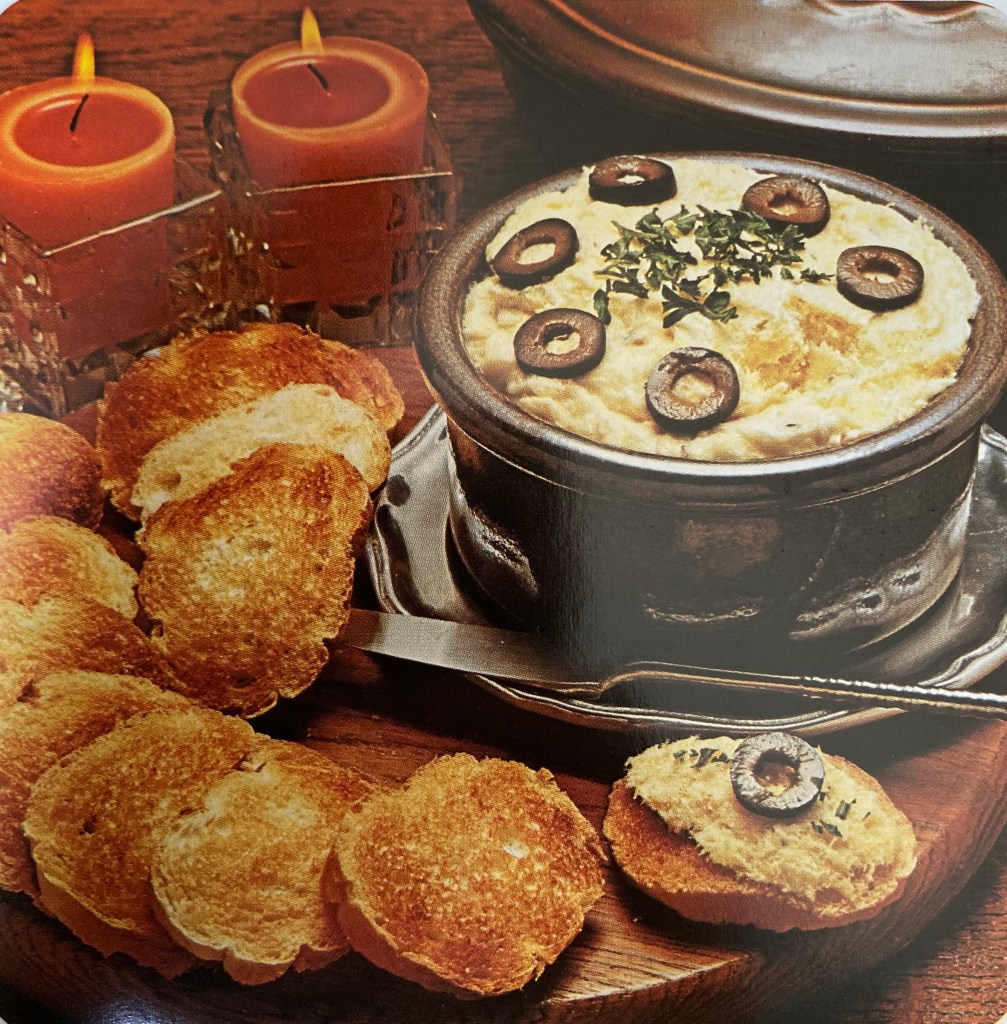
The most convenient sort of party food is that which can be prepared completely ahead and needs little last minute attention. Here is a tempting example, a creamy smoked fish spread. Serve it in a handsome crock and let guests help themselves. Plan to chill the paté for at least 3 hrs or overnight for best flavor.
From: My Great Recipes, 1981
INGREDIENTS
| ½ | lb | smoked haddock (finnan haddie) |
| water | ||
| 2 | T | lemon juice |
| ½ | t | dried thyme leaves |
| ½ | c | butter, melted |
| ⅓ | c | whipping cream |
| pepper | ||
| chopped parsley and sliced ripe olives, for garnish | ||
| hot toasted french bread |
STEPS
- Place smoked fish in a small pan. Pour on water to cover. Bring to boiling, reduce heat. Cover, and simmer until fish flakes easily, 15-20 mins. Let fish cool in cooking liquid. Drain, separate fish into flakes, discarding any bones.
- Place fish, lemon juice, and thyme in food processor or blender. Cover and blend until smooth. Add butter in a slow, steady stream, pureeing until mixture is smooth.
- Whip cream until stiff. Fold in fish mixture until well combined. Add pepper to taste. Cover and refrigerate to blend flavors, several hours or overnight.
- Remove from refrigerator about 30 mins vefore serving. Garnish with parsley and olive slices. Serve as a spread for toasted French bread.
TIPS
- Other varieties fo fish, such as smoked cod or salmon, can be substituted for the smoke ahddock in this recipe, if you prefer. If fish has an exceptional salty flavor, use unsalted butter.
My Notes
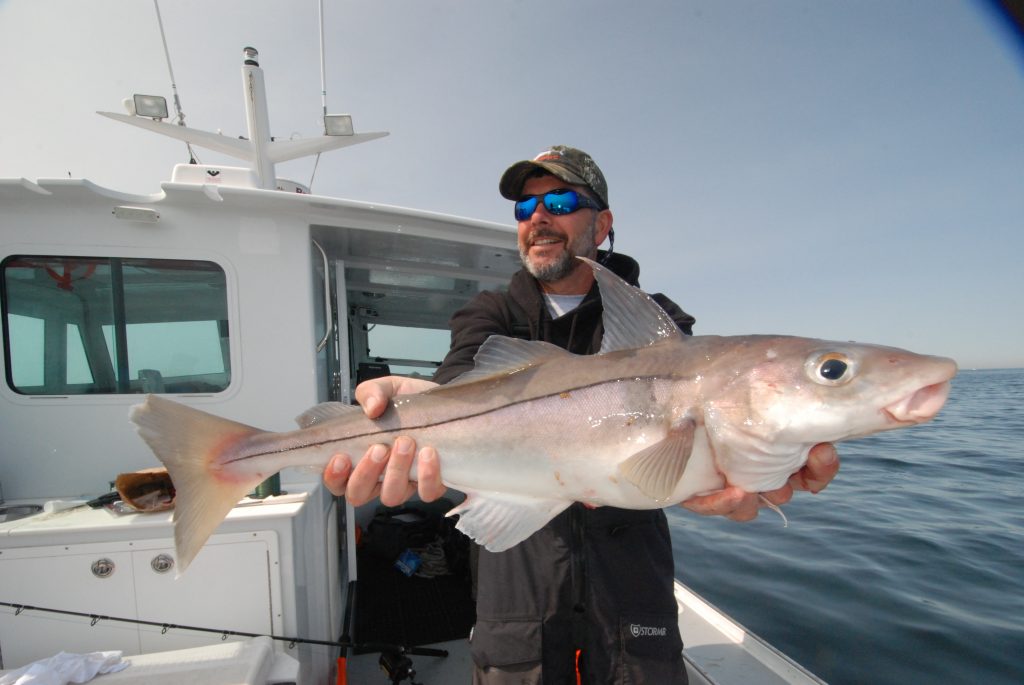
What is a Haddock? Honestly it’s kinda cute, for a fish.

The smoked fish that we’re most regularly exposed is definitely salmon. Smoked salmon is regularly eaten on top of bagels (not to be confused with lox though. Lox is salmon that has been brined, but not smoked. Smoked salmon has generally been brined AND smoked.)
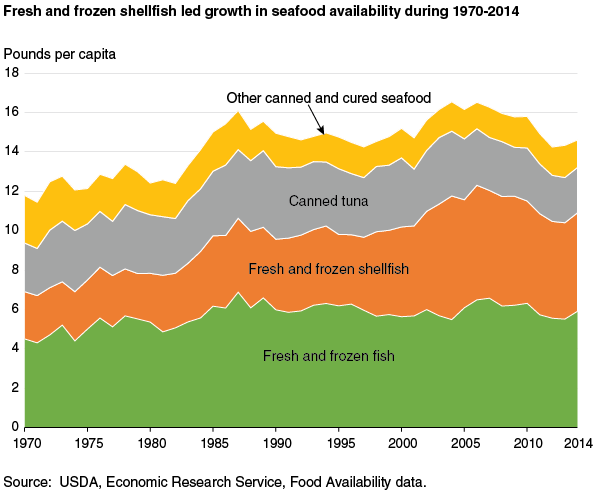
This data from the USDA demonstrates how cured seafood makes up a small percentage of the available seafood in the US. Although the data in this chart is not segregated from “Other canned”, the cured seafood market is extremely small in comparison.
This is a departure from how we consumed fish historically. Fish has traditionally been packed in salt and cured for preservation, before we innovated commercial canning, flash freezing, and a logistics infrastructure that allows for quick transport of fresh fish.
Haddock is a member of the cod family, the fish type commonly found in fish sticks and fish fries. Haddock is generally smaller, and has a larger cultural space in the UK (where it is extremely popular) than in the US. It is a white fish, and feeds on bottom-dwelling animals, which makes it vulnerable to pollution that climbs through the trophic chain.
The US has major haddock fisheries in New England. Right now, these fisheries are healthy, in contrast to the slowly collapsing cod fisheries in the Newfoundland region.
Haddock is also known as scrod. Scrod is a popular menu item in Boston, but is not well known outside the region.
As we become more conscious of our ethical seafood consumption, haddock is a great choice. Consuming haddock relieves pressure off of the more vulnerable cod stocks.
Haddock is tasty, with a mild, sweet flavor. Definitely worth a try.
Bibliography
- Food Availability (Per Capita) Data System , by Linda Kantor and Andrzej Blazejczyk , USDA, Economic Research Service, September 2020
- Kurlansky, Mark (1998) Cod: A Biography of the Fish that Changed the World. Penguin Books.

 Trilo Bytes